
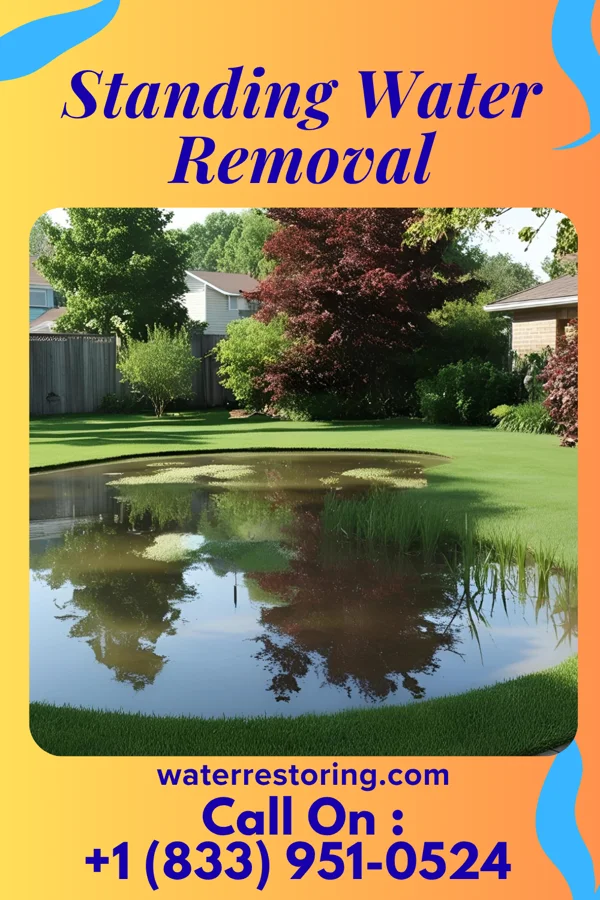
Standing Water Across Jonesboro Neighborhoods
Every neighborhood in Jonesboro has a different water damage risk profile. The one that shows up on most restoration calls is In Jonesboro, Georgia, the primary water damage cause is often due to heavy rainfall and flash flooding, especially during the spring and summer months. The region's flat terrain and proximity to the Ocmulgee River can lead to sudden water accumulation in residential and commercial properties.. A close second is Secondary causes include leaking plumbing systems, burst pipes, and sewer backups, which are common in older homes and businesses in the area. Additionally, frequent thunderstorms and downpours contribute to water intrusion in basements and low-lying areas..
Jonesboro experiences a humid subtropical climate with frequent thunderstorms and heavy rainfall, increasing the risk of water damage. The area is also prone to seasonal flooding, particularly after prolonged periods of rain.
Water damage in Jonesboro follows a few local patterns. In Jonesboro, Georgia, the primary water damage cause is often due to heavy rainfall and flash flooding, especially during the spring and summer months. The region's flat terrain and proximity to the Ocmulgee River can lead to sudden water accumulation in residential and commercial properties. accounts for the bulk of our calls. Jonesboro experiences a humid subtropical climate with frequent thunderstorms and heavy rainfall, increasing the risk of water damage. The area is also prone to seasonal flooding, particularly after prolonged periods of rain. Mold can develop within 48 hours in Jonesboro's humid climate, making rapid response critical to prevent health risks and structural damage. Mold growth is especially common in older homes with poor ventilation.